


Key Takeaway: The right way to clean bathroom tiles without causing permanent damage is to match your cleaning solution to the specific tile material, using a gentle pH-neutral cleaner or a mild dish soap mix paired with soft nylon brushes or microfiber cloths. Avoiding the regular use of harsh acids like vinegar and strong chemical bleaches prevents porous grout joints from eroding and protects sensitive surfaces like marble and terrazzo from chemical etching. Crucially, always finish by thoroughly rinsing with clean water and drying the surface completely to stop soap film residues and mold-inducing moisture from settling back into the joints.
The right way to clean bathroom tiles is to match the cleaning solution to the tile material, gently scrub with a soft bristle brush or microfiber cloth, rinse away every trace of cleaner, and dry the surface so soap scum and moisture don't settle back into the grout. For most bathroom tiles, start with a pH neutral cleaner or warm water and a little dish soap. Skip the routine harsh cleaners like acids and bleach.
If you're staring at dull tile, dark grout, or shower walls coated in soap scum and you don't want to wreck the surface trying to fix it, this guide walks you through it step by step.
First, Know What Kind of Bathroom Tile You Have
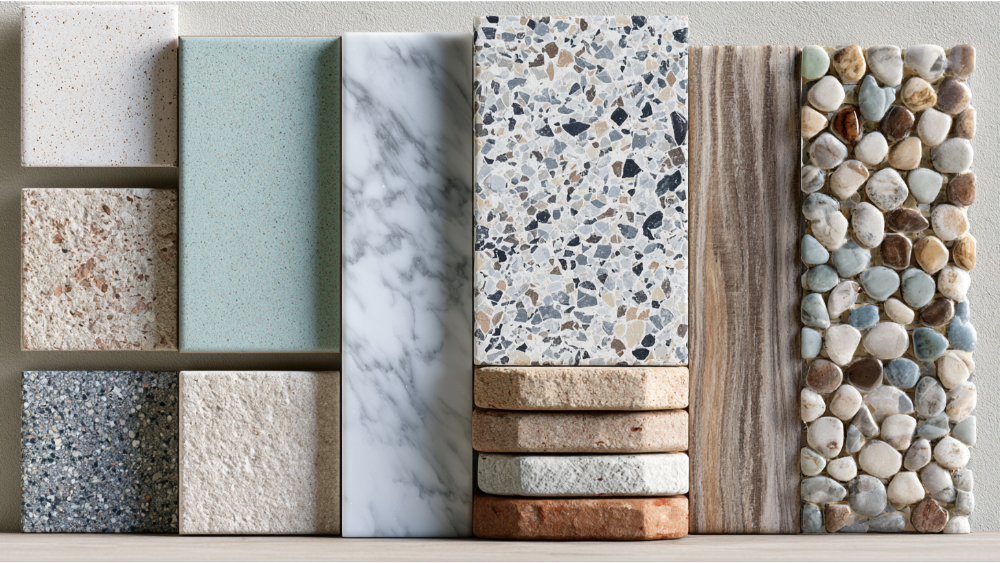 The whole job depends on one thing: the cleaner has to match the material. What's safe on porcelain and ceramic tiles can etch marble. Here's the quick version.
| Tile type | Safe starting cleaner | Avoid |
|---|---|---|
| Ceramic | pH neutral cleaner or warm water and dish soap | Abrasive pads, routine harsh chemicals or bleach |
| Porcelain | pH neutral cleaner, mild detergent | Cleaner residue, abrasive tools |
| Marble / natural stone | Stone-safe pH neutral cleaner | Vinegar, lemon, acidic cleaners |
| Mosaic | Mild cleaning solution and soft brush (depends on material) | Aggressive scrubbing that chews up grout |
| Terrazzo | pH neutral cleaner only | Vinegar, harsh alkaline cleaners, residue left to dry |
The Right Tools and Cleaners to Have Ready
You don't need much, and you don't need any harsh chemicals. The right tools make the whole cleaning process easier. Grab these before you start:- Microfiber cloths
- A soft brush or soft sponge
- A nylon or plastic soft bristle brush
- A grout brush or an old toothbrush
- A pH neutral cleaner, or warm water and dish soap
- Baking soda for stubborn spots
- A spray bottle for mixing a cleaning solution
- Clean rinse water
- A squeegee or dry towel
- Gloves and good ventilation if you use anything stronger
How to Clean Bathroom Wall Tiles and Floor Tiles Step by Step
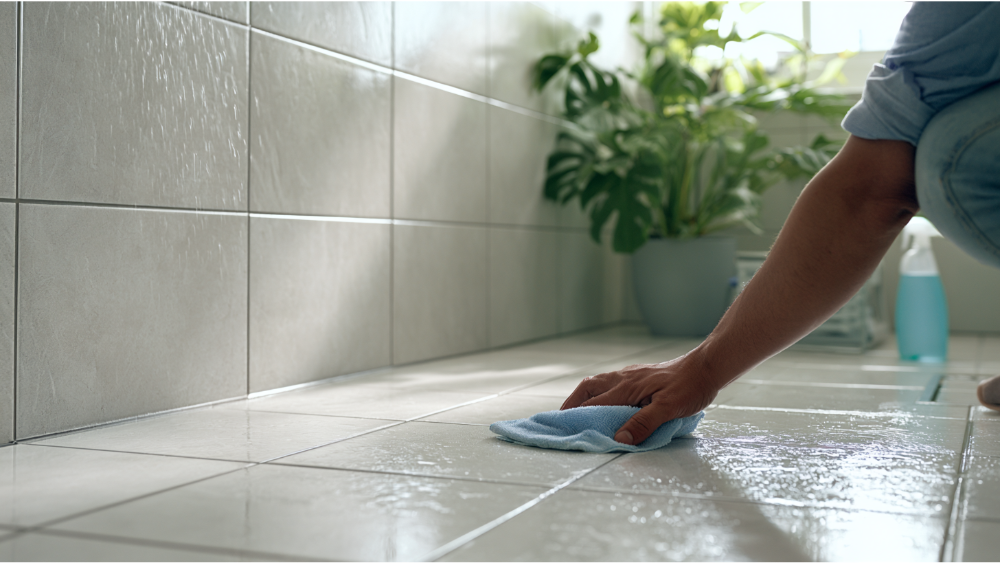
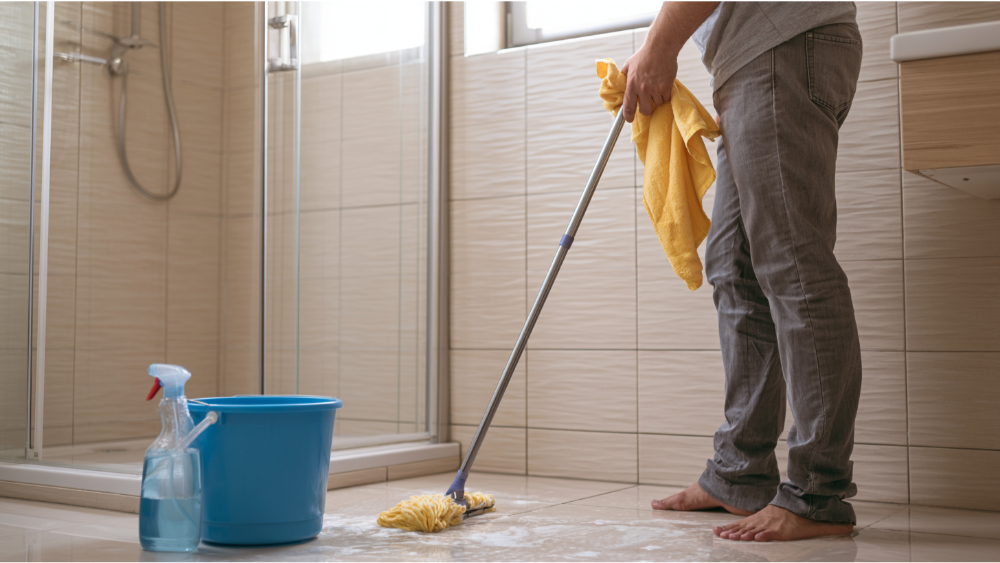 Wall tiles and bathroom floor tiles follow the same logic. Bathroom floor tiles just need the loose grit cleared off first so you're not dragging it across the tile surface, where it can trap dirt against the finish.
- Remove loose dust, hair, and grit. Dry sweep or vacuum the bathroom floor first.
- Dampen the tile with warm water.
- Apply the right cleaning solution for your tile type. A spray bottle works well on wall tiles.
- Let the solution sit briefly if the product allows, but don't let it dry on the tile surface.
- Gently scrub with a soft bristle brush or microfiber cloth. On wall tiles, work top to bottom so drips don't streak the areas you've already cleaned.
- Rinse thoroughly with clean water.
- Dry with a towel or squeegee.
How to Clean Bathroom Grout Without Damaging It
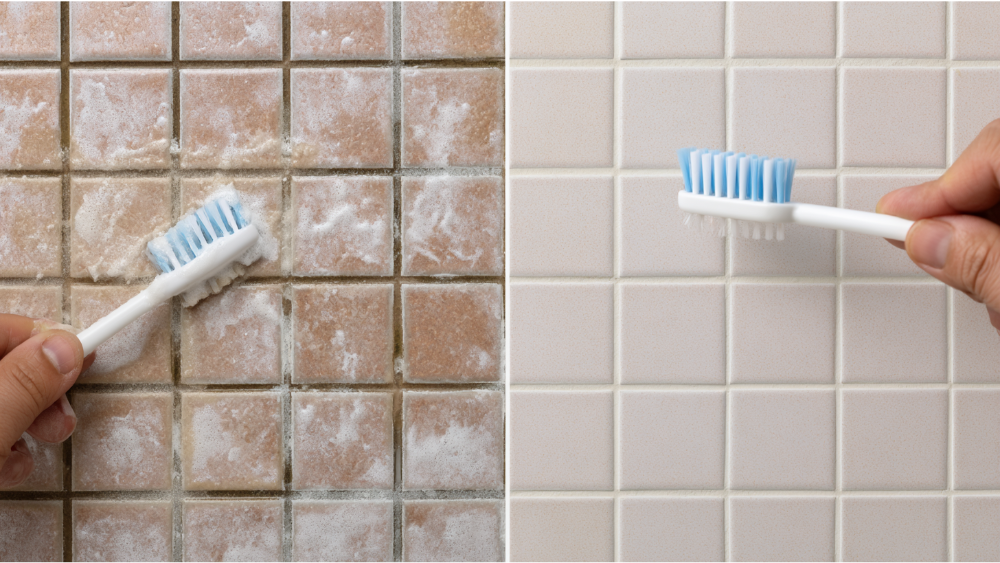
Grout goes dark faster than tile because it's porous. It absorbs moisture, soap, and grime that tile just sheds. For regular cleaning, a neutral or mildly alkaline cleaner and warm water works fine. For tough stains, a paste of baking soda worked into the grout lines does a lot of the heavy lifting. Mix baking soda with a little clean water until it forms a paste, then let it sit a few minutes before you scrub. Use a soft bristle brush or old toothbrush, never a metal brush, so you don't chew up the grout lines. Go easy on vinegar and bleach here. The Tile Council of North America notes that repeated use of harsh chemicals like acids or bleach can break down grout sealers and react with cement-based grout, so treat them as occasional deep-clean tools, not weekly defaults. Rinse completely, let the grout dry, and know that grout sealer may be reapplied once or twice a year to help it resist stains, grout discoloration, and build up.How to Remove Soap Scum, Hard Water Stains, and Mildew
Soap Scum
That cloudy film is a mix of soap, shampoo, body oils, and minerals. A mild cleaning solution or dish soap handles it on ceramic and porcelain. On stone, use a non-acidic soap scum remover so you don't etch the surface. A baking soda paste can also lift the worst of the build up on shower tile without harsh chemicals.Hard Water Stains
Chalky white mineral deposits come from minerals in your water. Use a material-safe cleaner. If you're in Portland, the main Bull Run supply is soft (around 7 to 11 ppm), so heavy white build up is usually soap residue or poor ventilation rather than extreme hard water. A little lemon juice can cut light spotting on ceramic, but keep acids far from stone and terrazzo. Vancouver's groundwater runs higher, roughly 79 to 140 ppm, so some homes there see more mineral spotting on shower tile. A water softener can cut down on it.Mildew and Mold on Grout
Mold thrives in damp, poorly ventilated bathrooms. The EPA's approach is simple: scrub hard surfaces with detergent and water, dry completely, then fix the moisture source. Hydrogen peroxide can help lift tougher mildew stains, and because hydrogen peroxide is milder than bleach it's easier on grout and sealers. To prevent mold from returning, ensure proper ventilation and keep surfaces dry. If the mold covers more than about 10 square feet or ties back to water damage, that's a job for a pro, not another round of scrubbing.Pink Slime
The pink stuff around your drain and grout lines is usually bacteria (Serratia marcescens), not mold. It feeds on soap and shampoo residue. Clean it, dry the surface, run the fan, and keep soap scum from building up, and it stops coming back.Should You Use Vinegar, Bleach, or Steam?
Vinegar
White vinegar is acidic and does break down soap scum. Occasional use on ceramic or porcelain with cement grout is generally fine, but never use it on marble, travertine, limestone, other natural stone, or terrazzo. It etches them. It's also not a great routine option for cleaning grout, and a pH neutral cleaner is safer week to week.Bleach
Bleach isn't a routine tile cleaner. It can whiten stubborn stains and kill mold, but repeated use may wear on grout sealers. If you want a gentler stain lifter, hydrogen peroxide is often enough. Using the wrong cleaning product does more harm than good, so avoid harsh chemicals as your default. Never mix bleach with other cleaners, since the vapors can be dangerous. Use it with ventilation, follow the label, and keep the surface visibly wet for the full contact time.Steam
A steam cleaner cleans tile and grout without chemicals and can work well on ceramic and porcelain. Be careful on natural stone, damaged grout, or failing caulk, and always test a small area first.How to Keep a Clean Bathroom Between Deep Cleans
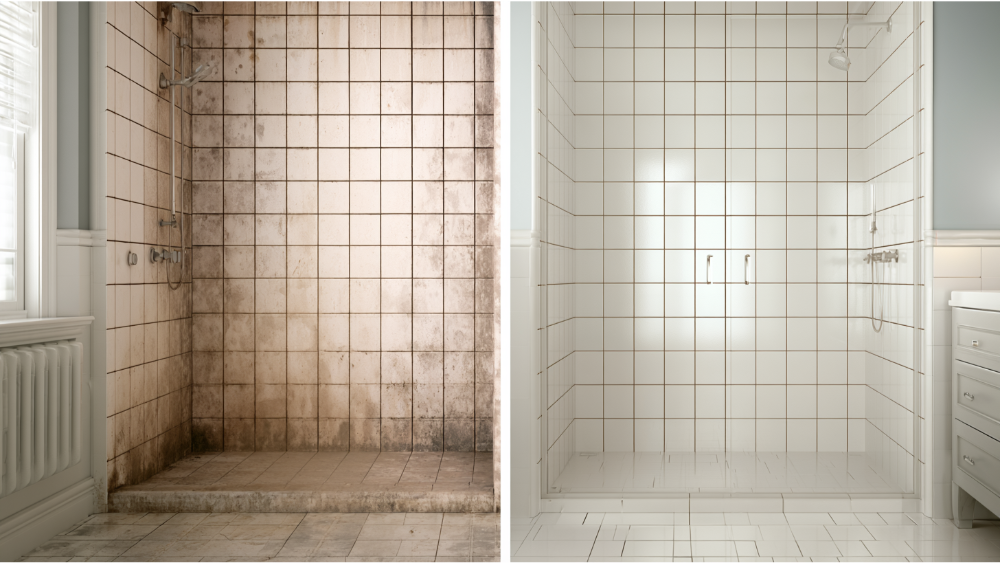
- After each shower: squeegee or towel-dry the wet wall tiles and glass. This one habit prevents more build up and mold than anything else.
- Weekly: a light clean of high-use shower tile and grout.
- Monthly or as needed: a deeper clean of tile and grout, with a baking soda paste on any stained grout lines.
- Yearly or as needed: inspect the grout, caulk, and sealer, and reseal grout if appropriate.
When Cleaning Isn't Enough, and It's Time to Call a Pro
Sometimes tile keeps looking bad no matter how you scrub. That's a signal, not a cleaning failure. Even the most effective cleaning has limits when the problem sits behind the surface. We understand how frustrating it is to put in the work and see the same stains creep back. Watch for these signs:- Grout keeps darkening soon after you clean it
- Caulk is cracked, missing, moldy, or pulling away
- Tiles are loose, hollow-sounding, cracked, or shifting
- A musty smell lingers after cleaning
- The wall or bathroom floor feels soft
- Water stains show up outside the shower or below the bathroom
- Mold covers more than about 10 square feet
Comments