

Key Takeaway
Yes, you can paint ceramic tile, but the finish sits on top of the tile surface rather than becoming part of it. It works best on dry, low-wear spots like decorative wall tile or a kitchen backsplash. In high-moisture or high-traffic areas like shower floors or countertops, paint blisters and peels. With proper prep and the right epoxy or bonding primer system, a painted finish can hold up for several years.
Can You Paint Ceramic Tile? The Short Answer
Yes, you can paint ceramic tile. But here's the part most guides skip: painting tile is a finish that sits on top of your tile, not a new ceramic surface. It works best on clean, sound ceramic tiles in low-wear, low-water spots like walls and a backsplash. It is not a substitute for professionally installed tile.
So if you're standing in your bathroom wondering whether a can of paint can save you from a full remodel, the honest answer is: sometimes. In the right spot, tile painting gives you a fresh look. In the wrong spot, it starts peeling faster than you'd like. We'll walk you through which is which.
Painting Tile vs. Replacing Tile: What You're Actually Getting
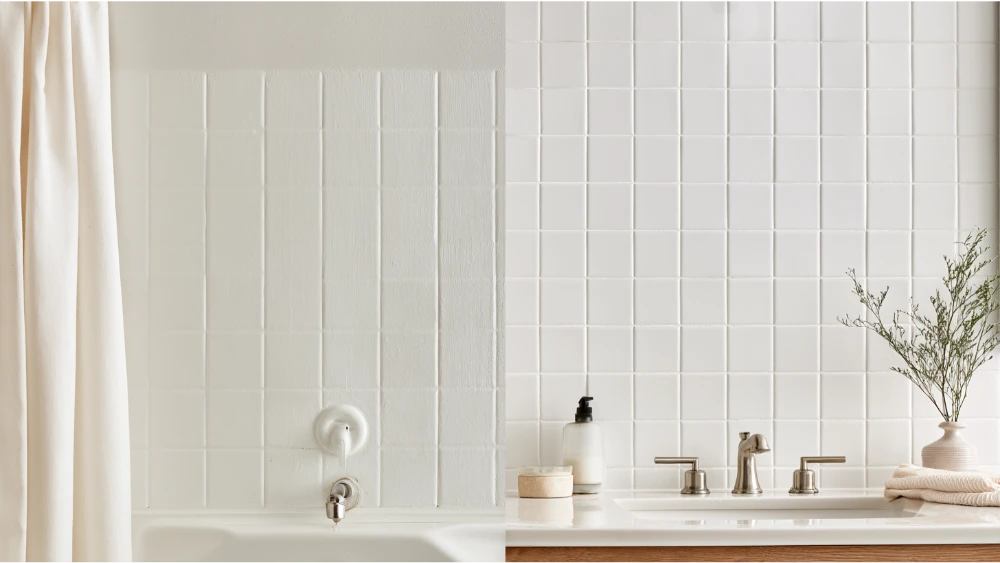
The whole decision comes down to one distinction. Paint lays over a slick, nonporous surface. Installed tile is the surface. That difference explains almost everything about how each one holds up.
Painting existing tiles costs far less than replacing, and replacing tile can run into several thousand dollars depending on the size of the area. We won't quote a number here, because every space is different, and the only honest way to price your project is a free estimate. Done well, refreshing what you already have is cost effective and can save time compared to a full tear-out. But cost isn't the only thing to weigh.
Painted tile looks refreshed on day one, and it can hold that look for a while with care. Installed tile resists water and daily wear because it's built into your home, not bonded to the top of it. For long-term durability and resale value, properly installed tile is the stronger investment. Paint is a cosmetic update, and it's fair to treat it as one.
Where Painting Ceramic Tile Works Best
Tile painting makes the most sense on tile surfaces that stay dry and don't take much abuse. Good candidates include:
- Decorative wall tile. It's vertical, low-wear, and rarely gets splashed.
- A kitchen backsplash with limited moisture. A splash here and there is fine; a soaked backsplash is not.
- Laundry room walls. Low traffic and low water exposure make these a fair bet.
- Low-use bathroom tile away from direct water. Think the wall behind a towel bar, not the shower surround.
The pattern is simple: vertical, dry, and gently used. Stay in that lane and painted ceramic tiles can look clean for years. A patterned tile in good shape can be a great project to refresh with the right approach.
Where Painting Ceramic Tile Goes Wrong
Paint fails in predictable places. Avoid these:
- Shower floors and constantly wet shower tile. Frequent water exposure causes paint to blister and peel.
- Countertops. Heat, cutting, and moisture are hard on a surface coating.
- High traffic areas on the floor. Painted floor tile can nick and wear within months.
- Cracked, loose, or water-damaged tile. Paint hides the look of a problem without fixing it.
The reason is physical, not mysterious. Tile is slick and nonporous, so paint grips only what prep can give it. Water finds the weak spots and works underneath in wet areas. Foot traffic sands the finish down a little at a time. None of that means paint is bad. It means paint belongs where water and wear stay low.
Can You Paint Bathroom Tile?
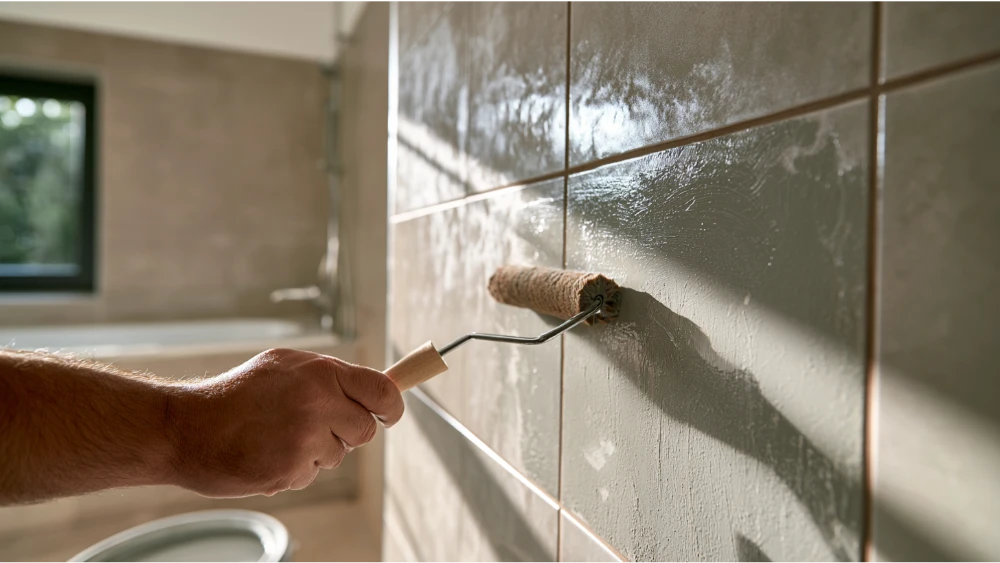
Not sure your bathroom is a good candidate? It depends entirely on which part of the bathroom you mean, and this is where a lot of advice gets fuzzy.
Bathroom walls away from direct spray are a reasonable place to paint. They stay mostly dry and take little abuse. Tub surrounds are trickier. You can paint them only with a product specifically rated for high moisture areas, like a two-part tub-and-tile coating, not ordinary wall paint. Shower floors and constantly wet tile are poor candidates no matter what you use, because standing water and immersion overwhelm a surface coating.
Whatever bathroom tile you paint, respect the cure time before water touches it. Many tub-and-tile coatings need about three days before water exposure. Use it too soon and you'll undo the whole job.
Painting Tile Floors: Bathroom Floor, Laundry Room, and Beyond
You can paint tile floors, but only with a floor-rated coating system, not the latex paint you'd use on a wall. Painting tile floors typically requires both a base coat and a top coat, and skipping either one shortens the life of the finish. Adding a clear coat of water-based polyurethane on top can give painted floor tile extra protection against scuffs and stains.
Even done right, a painted floor takes a beating. Foot traffic abrades the coating, so expect touch ups over time. And here's the distinction that trips people up: a bathroom floor is not a shower floor. A floor coating may work fine on a bathroom floor that stays walkable and mostly dry, or on a low-traffic laundry room floor, but the same product is usually rated not for use inside showers. Floor systems also aren't made for exterior spaces or garage floors. Read the label before you commit.
What Kind of Latex Paint and Epoxy Sticks to Ceramic Tiles?
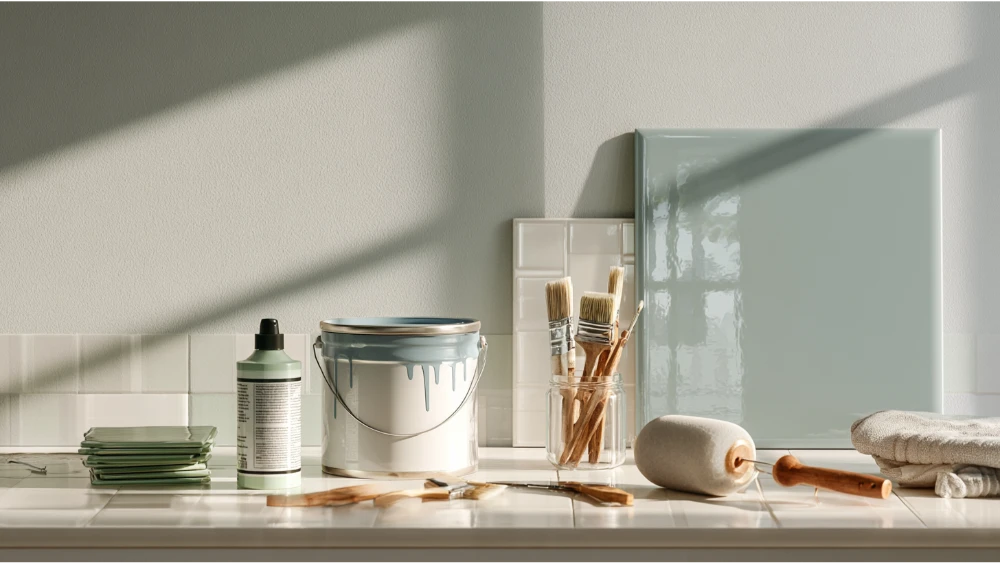
Regular latex paint won't hold on slick tile. Ceramic (and especially porcelain, which absorbs 0.5% water or less) is dense and glassy, so a coating has almost nothing to grip. The right paint for the job is built for that problem.
- Tile-specific paint. Formulated to bond to hard, glazed tile surfaces.
- Epoxy paint or two-part coatings. These give the most durable finish, especially in moisture-prone spots like a tub surround.
- Acrylic latex on primed walls. With the right bonding base under it, acrylic latex can work in dry, low-wear spots.
- Bonding primer plus a compatible topcoat. The best primer here is a high-adhesion one that bridges slick tile and your finish coat. On some porous surfaces a masonry primer is used instead, so match the primer to what you're coating.
- Floor coating systems for tile floors. Base coat plus top coat, as covered above.
Paint manufacturers like Sherwin Williams and Benjamin Moore are candid about this: a clean, dry, dull surface with the best primer for the job is what makes the coating stick. Generic paint over glossy ceramic tiles is a peel waiting to happen. Natural stone behaves differently again, so don't assume the same product works everywhere.
The Prep Work That Makes or Breaks the Result
This is where a painted tile project is won or lost. No shortcuts here, because every step you skip shortens how long the finish lasts.
- Clean thoroughly. Strip off soap scum, grease, and mildew with a heavy-duty cleaner or TSP, then rinse with warm water. A round of scrubbing along the grout lines matters, since buildup hides there. Remove old caulk where the job requires it.
- Repair chips and cracks first. Paint won't fix damaged tile, and it looks worse over a rough spot.
- Sand or dull the glaze. Glossy tile is one of the hardest tile surfaces to coat. Many tub-and-tile products call for wet/dry sandpaper in the 400 to 600 grit range to knock down the shine.
- Remove all dust. Wipe the surface clean and let it dry completely.
- Tape edges and corners. Painter's tape keeps your lines sharp at the edges around the sink and counter.
- Test adhesion in a hidden spot. Better to find a problem there than across the whole wall.
- Prime. A high-adhesion bonding primer dries in about 30 minutes, recoats in 3 to 4 hours, and covers roughly 300 to 400 square feet per gallon. Let it dry fully before your topcoat.
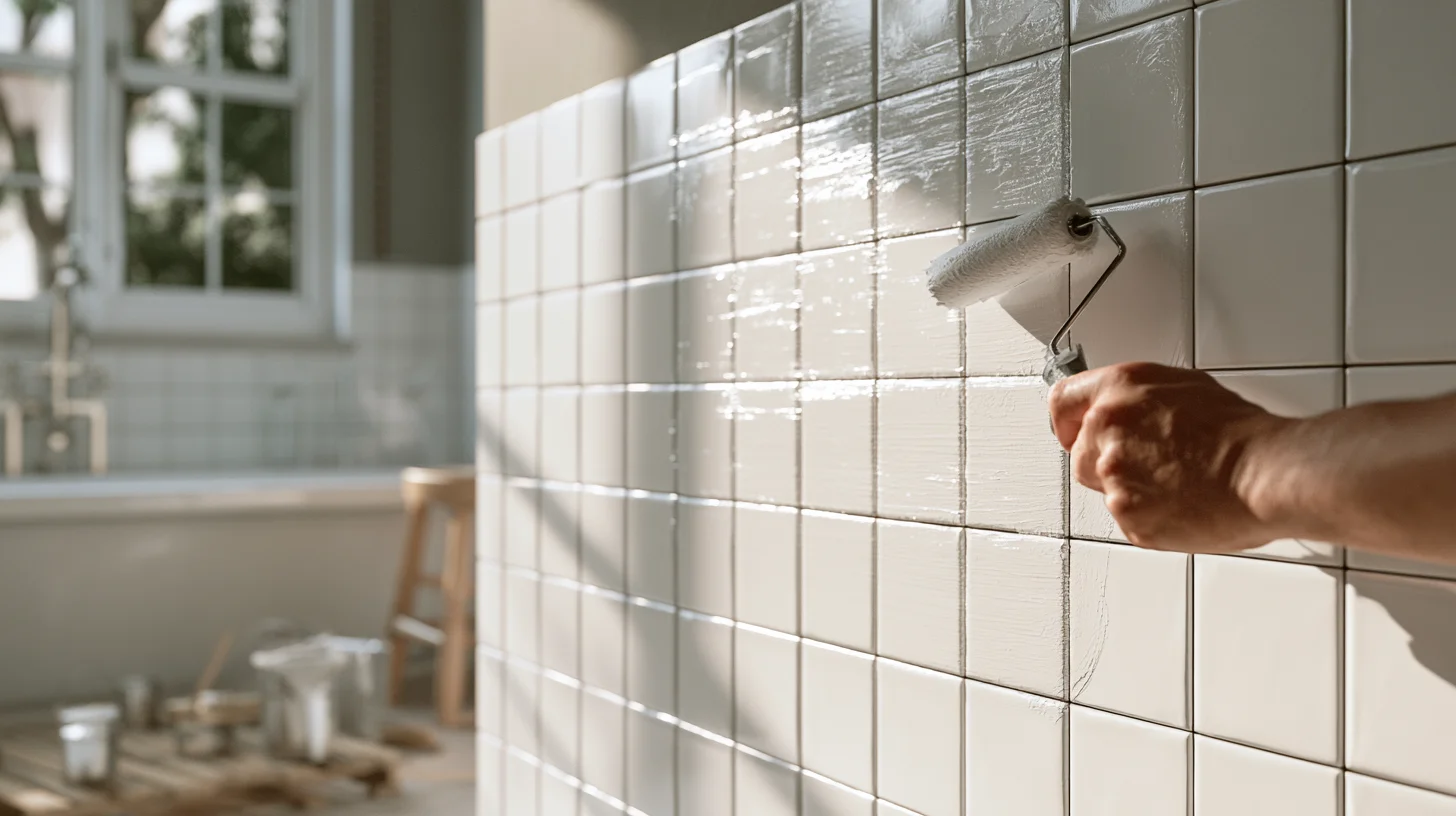
Then apply thin, even coats. Use a good paint brush to cut in the grout lines and edges, then a roller for the open tile surfaces. Load the brush lightly so the coating doesn't pool. Let the first pass dry, then add a second coat and, where the product calls for it, a final coat for even color. Rushing the prep process is the single most common reason painted tile fails early.
What Happens to the Grout When You Paint Tile?
When you roll or broadly coat tile, the grout lines get painted too. That changes the look more than people expect. You lose the contrast between grout and tile, and the surface reads flatter, less like individual pieces and more like one solid panel.
Some homeowners like that cleaner look. Others miss the tile definition once it's gone. Either way, know it's coming before you start. If you want the grout lines to stay visible, you can work carefully with a small brush and leave them unpainted, though that adds real time. And if your grout is cracking or crumbling, painting over it hides the symptom, not the problem. Failing grout still needs to be fixed.
Dry Time vs. Cure Time: Why the Wait Matters
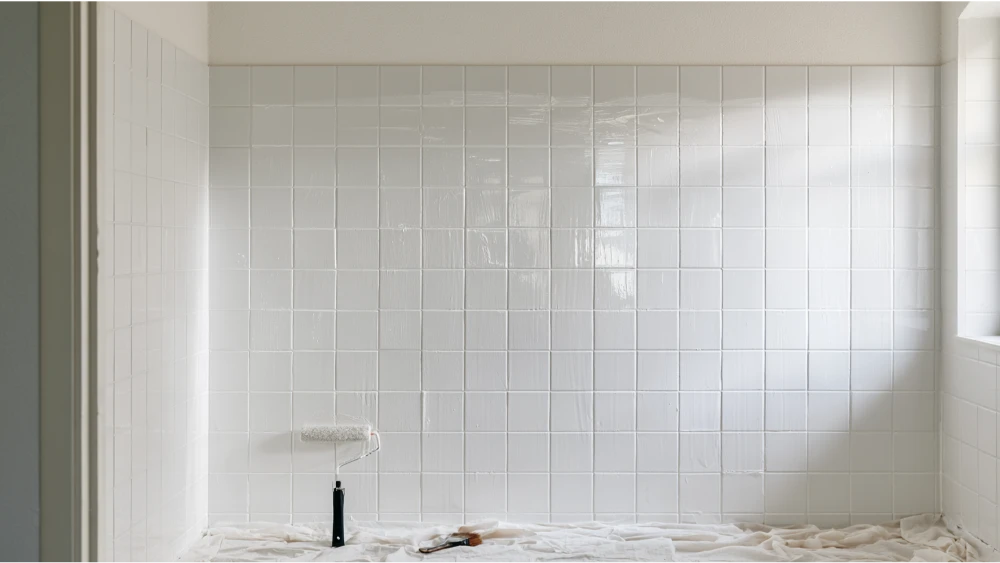
Dry to the touch is not the same as ready to use. Drying is just the water or solvent evaporating. Curing is when the coating finishes hardening and reaches full strength, and that can take anywhere from about 4 to 30 days depending on the product and conditions.
Product examples show how much this varies. One tub-and-tile epoxy is dry to touch in an hour but needs the surface completely dry and about three days before water exposure. A floor coating system may allow light foot traffic after 24 hours, furniture after 72 hours, and full cure at 7 days, with no washing before then. Always follow the label on the product you buy.
A few safety notes: ventilate the space, apply within the product's temperature range (often 50 to 90°F) and below 85% humidity, and remember that homes built before 1978 may contain lead paint. For those, hire a lead-safe certified contractor for renovation work that disturbs old paint.
How Long Does Painted Ceramic Tile Last?
There's no fixed number, and anyone who promises one is guessing. Painted bathroom tile on the wall can look good for several years with careful use and solid prep. High traffic areas may need touch ups on a few spots every couple of years. A clear sealer or water-based polyurethane can stretch that lifespan and keep the finish more durable under regular cleaning.
What decides it is the mix of prep quality, product choice, where the tile lives, how much moisture and foot traffic it sees, and how you clean it. The honest bottom line is that painted tile buys you a refresh, not the lifespan of properly installed tile. Set your expectations there and you won't be disappointed. Done in the right room, it's a fun project and a genuinely rewarding diy project that makes a huge difference in how a space feels.
Paint It, Repair It, or Replace It? A Simple Decision Guide
Here's the quick gut check most guides never give you:
| Option | When it fits | Why |
|---|---|---|
| Paint | Tile is sound, dry, and the issue is purely cosmetic | A surface refresh is enough when the tile itself is fine |
| Repair | Isolated cracked tiles or failing grout in one area | Targeted fixes solve the problem without redoing everything |
| Replace | Water damage, loose tile, cracked tile, shower failure, or heavy daily use | Only new, properly installed tile restores durability and water resistance |
If your tile is healthy and you just want a new look, paint away. Refreshing tired old tile can be a great idea when you're settling into a new house and want a quick win. If something underneath is failing, paint won't save it, and that's where tile repair, replacement, or a bathroom remodel becomes the responsible call.
When to Call a Tile Professional
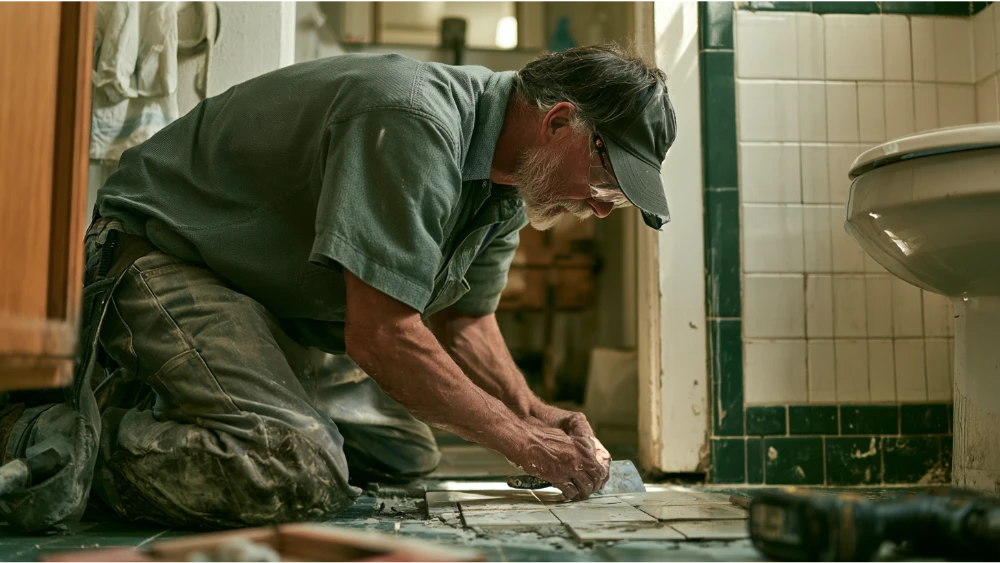
If you've been burned by a contractor before, or you're staring at water damage and don't know where to start, we understand how stressful that feels. So here's our promise: we'd rather tell you paint is fine than sell you a remodel you don't need. The sale is never more important than doing right by you.
Call a pro when you're dealing with cracked or loose (hollow-sounding) tile, failing grout, water damage, shower or tub waterproofing questions, or a bathroom floor that has to take real daily wear. Those aren't paint jobs. That's the work we do every day: tile repair, tile replacement, terrazzo, bathroom remodeling, and water or fire damage restoration.
Kibuk Tile And Construction operates under Oregon CCB License #234414, and we're reachable Monday through Saturday, 7AM to 9PM. We serve homeowners across the Vancouver, WA and Portland, OR area with the same honesty whether the job is big or small.
Frequently Asked Questions
Is painting ceramic tile a good idea?
What paint will stick to ceramic tile?
Can tile paint go over grout?
Can you paint tile so it doesn't peel off?
Is it better to paint tile or replace it?
The Honest Bottom Line
Painting ceramic tile can be a smart, quick refresh in the right spot. In the wrong spot, it's a coating fighting a losing battle against water and wear. The key is knowing the difference before you open the can, and never painting over a problem that actually needs repair.
Not sure whether your tile should be painted, repaired, or replaced? Call us today for a free estimate at (360) 608-4629, or reach out through the contact form on our website. We'll give you a straight answer, even if that answer is "just paint it." So, what are you waiting for?
Comments